May 21, 2024
5 Keys to Converting Food & Beverage Buyers at International Trade Fairs
Quick Navigation
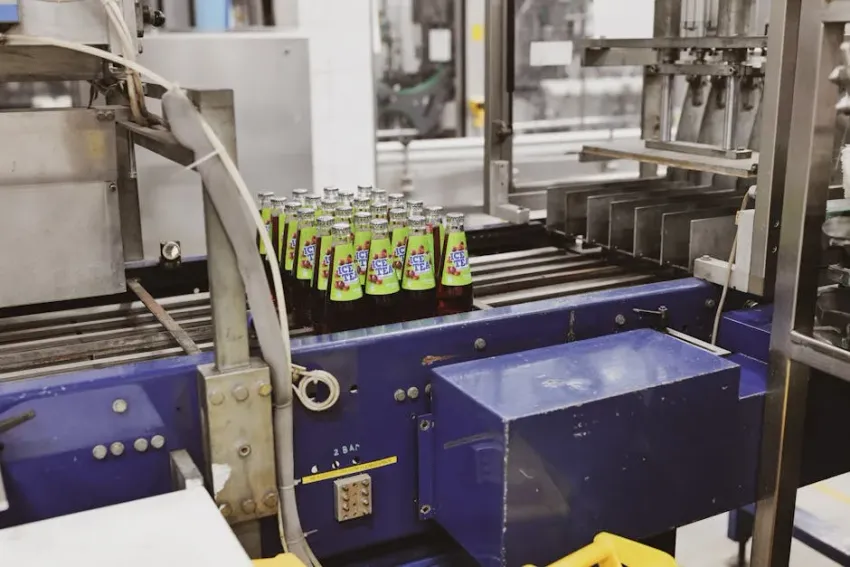
SIAL Paris. Gulfood Dubai. Anuga Cologne. PLMA Amsterdam. The international food and beverage trade fair calendar is one of the richest buyer-prospecting environments in any industry. Retailers, importers, distributors, and food service operators from 100+ countries walk the same halls over 4–5 days.
The challenge is what happens after. Most F&B exporters collect contacts, return to the office, and spend the next 3 weeks catching up on emails — by which time the buyer has forgotten the conversation and moved on to the competitor who followed up in 24 hours.
Here are 5 keys to making trade fairs actually work.
1. Qualify at the Stand, Not Back at the Office
The stand conversation is the highest-quality interaction you will have with a buyer. Use it for qualification, not just product demonstration.
Before each show, agree on a 3-question qualification script for stand staff:
- What markets/geographies are they buying for?
- What annual volume are they looking to import?
- Are they looking for branded products, private label, or both?
Log answers on a tablet at the stand using a simple form that pushes directly to your CRM. When you leave the fair, you have 300 contacts already segmented by tier, geography, and interest — not 300 identical business cards.
Stand qualification tiers for F&B:
- Tier A: confirmed buyer, specific volume mentioned, urgent timeline → same-day follow-up
- Tier B: strong interest, no confirmed budget → 24-hour follow-up with product pack
- Tier C: early stage, browsing → 72-hour follow-up, nurture sequence
2. Send Samples with a Trackable Link, Not a Generic Pack
The post-show sample request is universal in food and beverage. Every buyer asks. Most manufacturers ship samples in bulk without tracking whether they were ever opened, tasted, or shared internally.
Attach a trackable digital deck to every sample shipment — a QR code on the sample packaging that links to a product profile page with nutritional information, origin story, certifications (organic, halal, kosher, PDO/PGI), and pricing guidance. When the buyer scans the QR code, you know the samples have arrived and are being reviewed. That scan triggers an automated follow-up the same day.
3. Follow Up in the Buyer’s Language and at Their Market’s Prime Time
A French artisan cheese producer sending an English-language follow-up to a Saudi importer at 9 a.m. Paris time (noon Riyadh) is competing against a Dutch competitor who sent a follow-up in Arabic at 9 a.m. Riyadh time.
The language and timing advantage is real and measurable. AI-assisted follow-up sends every message in the buyer’s language (Arabic for Gulf importers, Mandarin for Asian buyers, Portuguese for Brazilian retailers) at the buyer’s local prime time.
4. Address Shelf Life and Logistics in the First Follow-Up
F&B buyers have two questions that kill deals when they go unanswered: shelf life (critical for import planning) and logistics (cold chain, Incoterms, lead time). Most exporters save this information for the second or third interaction.
Put it in the first follow-up. A Tier A follow-up message that includes a mini product sheet with shelf life, storage requirements, Incoterms options, and minimum order quantity eliminates the 2-3 rounds of back-and-forth that slow most deals by 3–4 weeks.
What buyers want to know in the first follow-up:
- Shelf life from production date
- Minimum order quantity (by SKU and total)
- Lead time from order to port of departure
- Incoterms offered (FOB, CIF, DDP)
- Halal/kosher/organic certifications held
- Country of origin labelling compliance for their market
5. Build a 90-Day Importer Pipeline, Not a One-Shot Pitch
Most food export relationships take 60–120 days from first meeting to first purchase order. The buyer needs to get internal approval, source the regulatory clearance, arrange an import licence, and fit the product into their next buying cycle.
A 90-day nurture sequence — market update week 2, new product launch week 4, competitor pricing context week 6, seasonal promotion offer week 10 — keeps your brand top of mind through the decision window. The buyer who decides at week 8 remembers the exporter who was consistently present, not the one who sent a single email after the trade fair.
For the full trade show follow-up framework, see 5 Ways to Turn Trade Show Contacts Into International Pipeline. For private label F&B applications, see 5 Ways Private Label Manufacturers Win International Retailer Partnerships.
Quick Navigation
Get in Touch
Have questions about implementing these strategies? Let's discuss how Caramel can help your business.
Related Blogs
See All Blog
Caramel vs Mailmodo: When AMP Emails Are Not Enough for a Real B2C CRM
Mailmodo earned a real place in the email marketing market by doing one thing well: making emails interactive. Forms, polls, quizzes, calend

Personalisation at Scale: How AI Delivers 1-to-1 Marketing Without 1-to-1 Human Effort
Personalisation is the word the marketing industry has used for fifteen years to describe everything from inserting a first name into an ema
Compliance by Design: KYC, AML and Cross-Border Rules Handled by Your AI Agent
International buyers generate compliance obligations that domestic buyers do not. This is not a regulatory inconvenience — it is a structura
Stop Paying Commissions. Start Building Relationships.
Join forward-thinking businesses reclaiming their customer data from third-party platforms. Build direct connections, increase loyalty, and keep 100% of your revenue.