Jun 11, 2024
5 Keys to Luxury & Specialty Manufacturing Export: From Sample Request to Signed Contract
Quick Navigation
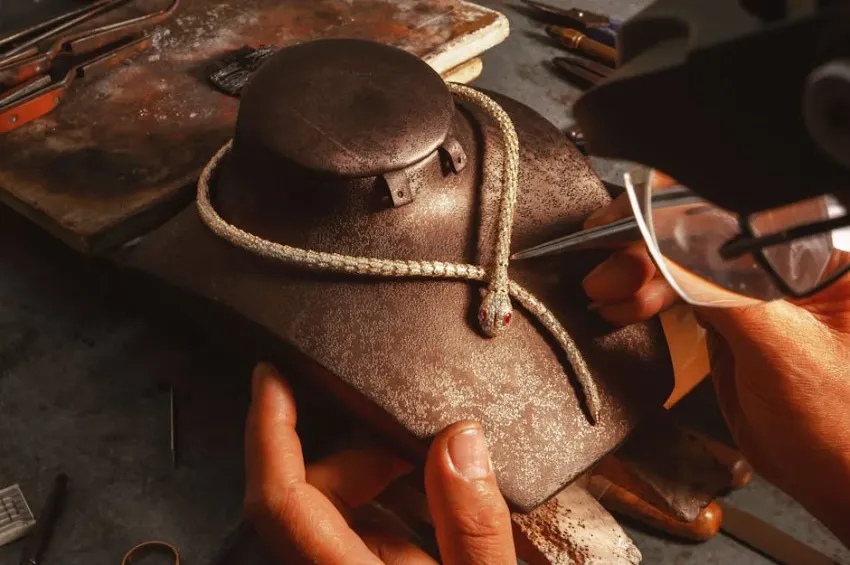
Luxury and specialty manufacturing operates by different rules from volume manufacturing. You are not competing on price — you are competing on provenance, craftsmanship, exclusivity, and the story behind the product. The export sales process must reflect and reinforce those values at every touchpoint, from the first digital interaction to the signed distribution agreement.
Here are 5 keys to running a premium export sales process that matches the quality of what you make.
1. The First Touch Must Communicate Brand, Not Just Product
In luxury and specialty manufacturing, the first impression is the brand impression. A generic cold email with a PDF product catalogue tells the buyer that you are a volume manufacturer who has not thought about where they fit.
The first outreach to a target retailer, hotel group, or luxury distributor should:
- Reference why your brand is relevant to their specific positioning (not a generic pitch)
- Include a brand story asset — a 90-second film, a lookbook PDF, or a heritage narrative — not just a spec sheet
- Be written in the buyer’s language and sent via a channel that signals intentionality (a personalised WhatsApp message to a Gulf buyer, a crafted email to a UK department store buyer)
Brand-first first touch checklist:
- Personalised reference to the buyer’s current brand curation
- One-paragraph brand narrative (origin, craft, key differentiator)
- Single hero visual — the best image you have, not a product grid
- One clear next step: a virtual showroom session or sample box request
- No pricing in the first message — value before terms
2. Send a Curated Sample Box, Not a Full Range
The luxury sample process should feel like a gift, not a catalogue delivery. A curated box of 3–5 hero products — beautifully packaged, with hand-written brand cards, certificate of origin, and a QR code linking to a private digital lookbook — lands differently than a plastic-wrapped sample bag with a price list.
The investment in the physical sample presentation pays for itself in conversion rate. A buyer who opens a beautiful sample box is primed to see a beautiful product. A buyer who opens a packing slip is primed to see a vendor.
3. Follow Up with a Private Virtual Showroom
The virtual showroom is the luxury equivalent of the trade show meeting — but more intimate, more focused, and more controllable. A 45-minute Zoom session with:
- A structured brand story (5 minutes)
- A curated product walkthrough with professional lighting and close-up detail shots (25 minutes)
- A Q&A on exclusivity, MOQ, lead times, and customisation options (15 minutes)
Pre-screen attendees — not every buyer who requests a showroom session deserves one. Your AI agent qualifies the buyer’s brand positioning, target customer profile, and annual buying volume before confirming the booking.
4. Offer Customisation as a Differentiator, Not a Complication
For luxury and specialty manufacturers, the ability to customise — bespoke colourways, monogrammed packaging, private label for hotel amenities, exclusive finishes for department store buyers — is a key competitive advantage that volume manufacturers cannot match.
Position customisation proactively:
- Include customisation options and lead times in the first product deck
- For hotel and hospitality buyers: explicitly offer branded amenity lines and bespoke packaging
- For department store buyers: offer exclusivity windows (first-season exclusivity, exclusive colourway)
- For luxury distributors: offer co-branded retail packaging for their key markets
5. Make the Contract Process Feel Effortless
The contract and onboarding process is where luxury brand equity is most at risk. A complicated, bureaucratic contracting experience creates doubt about operational quality and erodes the brand impression you have built.
Simplify: a clean 2–3 page distribution agreement (not a 40-page template), pricing and payment terms in the buyer’s currency, and a clear first-order timeline. Your AI agent sends the agreement, tracks signature status, and follows up on outstanding approvals — without your team having to chase manually. The buyer experiences an effortless closing process that reinforces the premium positioning.
For cosmetics and beauty applications of the same approach, see 5 Ways Cosmetics Brands Launch in a New Export Market Without a Local Team. For private label manufacturing, see 5 Ways Private Label Manufacturers Win International Retailer Partnerships.
Quick Navigation
Get in Touch
Have questions about implementing these strategies? Let's discuss how Caramel can help your business.
Related Blogs
See All Blog
Caramel vs Mailmodo: When AMP Emails Are Not Enough for a Real B2C CRM
Mailmodo earned a real place in the email marketing market by doing one thing well: making emails interactive. Forms, polls, quizzes, calend

Personalisation at Scale: How AI Delivers 1-to-1 Marketing Without 1-to-1 Human Effort
Personalisation is the word the marketing industry has used for fifteen years to describe everything from inserting a first name into an ema
Compliance by Design: KYC, AML and Cross-Border Rules Handled by Your AI Agent
International buyers generate compliance obligations that domestic buyers do not. This is not a regulatory inconvenience — it is a structura
Stop Paying Commissions. Start Building Relationships.
Join forward-thinking businesses reclaiming their customer data from third-party platforms. Build direct connections, increase loyalty, and keep 100% of your revenue.