Jun 18, 2024
5 Ways Private Label Manufacturers Win International Retailer Partnerships
Quick Navigation
Private label manufacturing for international retailers sits at the intersection of two high-stakes relationships: the retailer who owns the brand identity, and the manufacturer who owns the production quality. Winning a new private label partner internationally requires convincing a buyer that you can be trusted with their brand — not just that your products are good.
Here are 5 ways to build that trust from the first contact.
1. Lead with Capability, Not Products
A private label buyer is not looking for a product catalogue — they are looking for a manufacturing partner. Your first outreach should lead with capability evidence: production capacity, certifications, quality management systems, and existing white-label or private label clients (if confidentiality permits).
The question a buyer is answering in the first 3 minutes of reviewing your materials is: “Can this manufacturer deliver consistently to our brand standards?” Answer that question explicitly, not implicitly.
Capability credentials to lead with:
- Production capacity (monthly/annual, by product category)
- Quality certifications (ISO 22000, BRC, IFS, FSSC 22000 for food; GMP for pharma/cosmetics; ISO 9001 for industrial)
- Minimum order quantities by category
- Lead time from confirmed specification to delivery
- Packaging customisation capability (own-brand label, retailer-specific formats, sustainability certifications)
- Countries you currently supply (social proof map)
2. Offer a Branded Product Development Pack
The fastest way to move a private label conversation from “interesting” to “let’s proceed” is to take the development work off the buyer’s plate. A branded product development pack tailored to the retailer’s market includes:
- 3–5 proposed product concepts matching their category positioning
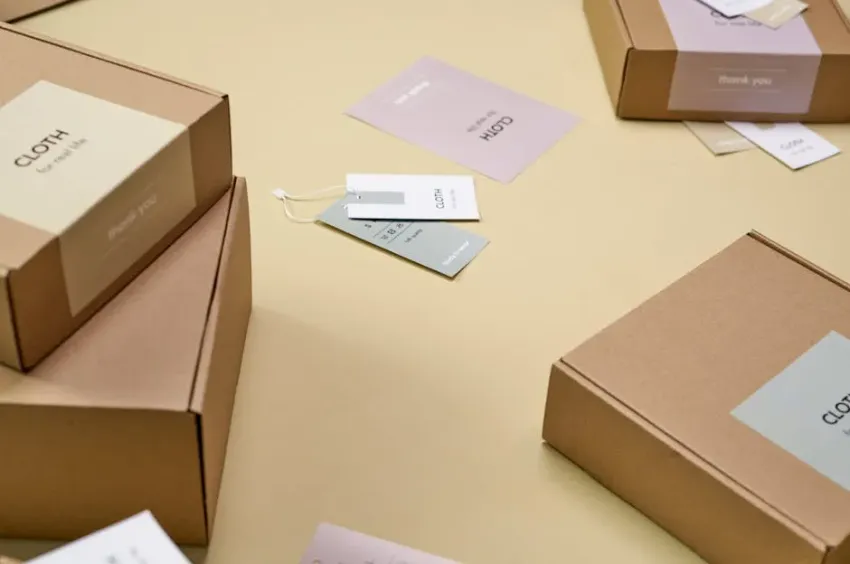
- Packaging mockups in their brand colours
- Suggested pricing at the retailer’s likely price tier
- Regulatory compliance status for their market
- Proposed launch timeline
A buyer who receives a development pack specific to their needs does not feel like they are evaluating a generic supplier. They feel like a partner has already started working on their behalf.
3. Respond to New Specifications Within 24 Hours
The defining characteristic of the best private label suppliers, consistently cited by international retail buyers, is responsiveness to new product specifications. A buyer who submits a new brief on Tuesday and receives a preliminary feasibility and indicative pricing by Wednesday is a buyer who does not need to evaluate 3 other suppliers.
Your AI agent monitors incoming specification requests, acknowledges receipt within 30 minutes, extracts the key parameters (product type, quantity, packaging format, target retail price, market), and routes the request to the relevant product development or technical sales manager with a pre-populated brief and a 24-hour response commitment.
4. Build a Compliance and Certification Dashboard Per Retailer
Every international retailer has its own supplier compliance requirements — proprietary audits (Tesco Nurture, Carrefour Quality Line), mandatory certifications, labour standards assessments, sustainability requirements. Managing these requirements across 8–10 retailer relationships manually is a compliance and renewal tracking nightmare.
Compliance automation for private label manufacturers:
- CRM tracks certification expiry dates for every active retailer relationship
- AI agent sends renewal reminders 90 days before expiry to your quality team
- When a new certification is obtained, AI agent proactively alerts all retailers for whom it is relevant
- Buyer-facing compliance portal: each retailer sees their own audit status, certification documents, and factory scorecard in real time
5. Create a Dedicated Account Owner Experience for Each Retailer
Private label buyers are managing 50–200 supplier relationships. The ones they return to — and grow — are the ones where they feel like a named, valued account rather than a generic order number.
Assign each retailer a named contact at your company — even if that contact is AI-assisted for the routine touchpoints. The buyer sees consistent communication from “Sarah Mitchell, your account manager at [Company]” — even when Sarah is on the floor in a production meeting and the AI agent is handling the status update query, the pricing clarification, and the packaging specification confirmation on her behalf.
Consistency, speed, and personalisation in the account relationship is the moat that keeps private label partnerships exclusive and repeat-ordering for years.
For trade show lead conversion as a pipeline entry point, see 5 Ways to Turn Trade Show Contacts Into International Pipeline. For luxury manufacturing applications, see 5 Keys to Luxury & Specialty Manufacturing Export: From Sample Request to Signed Contract.
Quick Navigation
Get in Touch
Have questions about implementing these strategies? Let's discuss how Caramel can help your business.
Related Blogs
See All Blog
Caramel vs Mailmodo: When AMP Emails Are Not Enough for a Real B2C CRM
Mailmodo earned a real place in the email marketing market by doing one thing well: making emails interactive. Forms, polls, quizzes, calend

Personalisation at Scale: How AI Delivers 1-to-1 Marketing Without 1-to-1 Human Effort
Personalisation is the word the marketing industry has used for fifteen years to describe everything from inserting a first name into an ema

Compliance by Design: KYC, AML and Cross-Border Rules Handled by Your AI Agent
International buyers generate compliance obligations that domestic buyers do not. This is not a regulatory inconvenience — it is a structura
Stop Paying Commissions. Start Building Relationships.
Join forward-thinking businesses reclaiming their customer data from third-party platforms. Build direct connections, increase loyalty, and keep 100% of your revenue.