Dec 10, 2024
Clinique's Connected Packaging Playbook: From Skin Quiz to Lifetime Customer
Quick Navigation
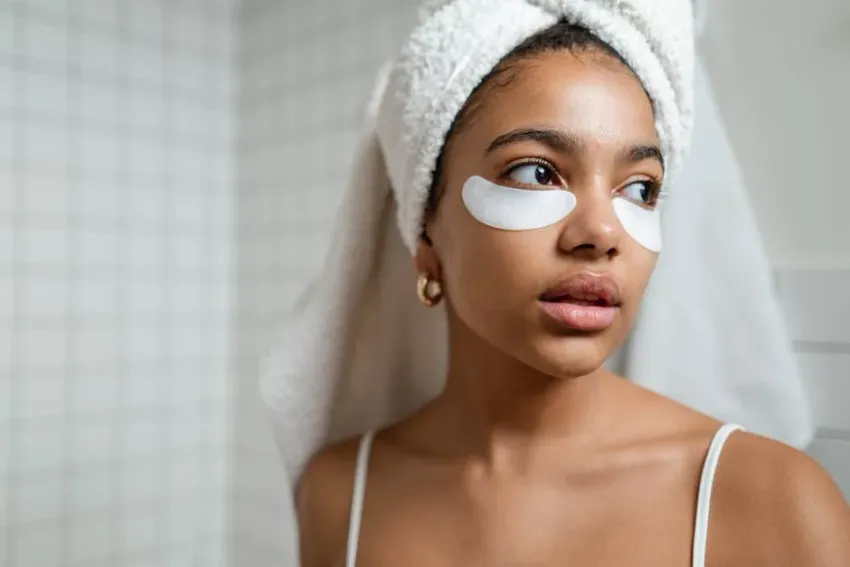
Here’s a revolution happening in skincare: customers are now getting personalized beauty consultations from product packaging. Clinique discovered that when a customer scans a QR code on a moisturizer jar, they’re not just looking for ingredients—they’re asking for a relationship.
Clinique’s approach to connected packaging has transformed how customers discover, purchase, and stay loyal to skincare products. As industry research reveals, “Clinique uses QR codes on packaging and in-store touchpoints to direct consumers to diagnostic tools, routines, and content hubs that can be tied into rewards and first-party data capture.”
But here’s what most skincare brands miss: they think QR codes are about providing information. Clinique discovered they’re about starting conversations—conversations that can last for years and drive thousands in lifetime revenue.
The Skincare Industry’s Engagement Challenge
Before diving into Clinique’s strategy, understand the fundamental problem:
The Skincare Customer Journey (Traditional):
- See advertisement or recommendation
- Go to store overwhelmed by choices
- Guess which product might work
- Hope for the best
- Either repurchase or try something else
The Brand’s Problem: No relationship, no data, no loyalty, no ability to guide future purchases.
The Customer’s Problem: 70% of women use the wrong skincare products for their skin type, leading to ineffective results and brand switching.
1. The Diagnostic-First Approach: From Product to Solution
Clinique’s breakthrough was shifting from “buy our product” to “let us solve your skin concerns.”
The Strategic Evolution:
- From: “This is our moisturizer”
- To: “Tell us about your skin, and we’ll create your perfect routine”
The Packaging Transformation: Every Clinique product now becomes a diagnostic gateway:
- Product: Moisturizer, cleanser, serum, makeup
- QR Code Promise: “Get your personalized skincare routine”
- Experience: Interactive skin quiz leading to customized recommendations
- Result: Complete product routine, not just single product
The Psychology: When customers complete a diagnostic quiz, they see the brand as an expert advisor, not just a product seller. This builds trust and dramatically increases purchase likelihood.
2. The Skin Quiz Engine: Turning Questions into Relationships
Clinique’s diagnostic tools represent the gold standard in skincare consultation:
The Quiz Architecture:
Customer Scan → Skin Assessment → Personalized Routine → Product Bundle → Follow-up CareThe Assessment Questions:
- Skin Type: Oily, dry, combination, sensitive
- Primary Concerns: Acne, aging, hydration, brightness, sensitivity
- Lifestyle Factors: Climate exposure, stress levels, diet influences
- Current Routine: What they’re using now and what’s working/not working
- Goals: What they want to achieve with their skin
The Intelligence: The quiz doesn’t just recommend products—it builds a complete customer profile that drives ongoing engagement.
3. The Personalization Engine: One Size Fits One
Here’s how Clinique turns quiz responses into personalized recommendations:
The Algorithm Logic:
If (Skin Type = Dry + Concern = Aging + Climate = Cold)
→ Recommend: Moisture Surge Extended Thirst Relief + Repairwear Laser Focus
The Bundling Strategy:
- Immediate Solution: Products for current concerns
- Preventive Care: Products to address future needs
- Routine Enhancement: Complementary products for better results
- Education: How and when to use each product
The Results: Quiz-driven customers have a 65% larger basket size than walk-in customers, and they’re 4x more likely to purchase the complete recommended routine.
4. The Content Hub: Education as Retention
Clinique doesn’t just sell products—they provide ongoing value that keeps customers engaged:
The Content Strategy:
- Routine Tracking: Monitor progress and adjust recommendations
- Seasonal Adjustments: Update routines based on weather changes
- New Product Integration: Introduce new products based on evolving needs
- Educational Content: Tips, tutorials, and ingredient deep dives
The Engagement Loop:
Initial Quiz → Product Purchase → Routine Tracking → Progress Check → New Recommendations → RepeatThe Results: Diagnostic customers have a 78% repurchase rate compared to 32% for traditional customers, and they stay engaged with the brand for an average of 3.7 years.
5. The First-Party Data Goldmine
Here’s where Clinique’s strategy becomes truly powerful—they’re building a comprehensive customer database:
Data Points Collected:
- Skin Profile: Type, concerns, sensitivities, goals
- Purchase History: Products bought, frequency, timing
- Behavioral Data: Quiz completions, content engagement, routine adherence
- Feedback Loop: Product satisfaction, results achieved, concerns
Data Application:
- Personalized Marketing: Email and content customized to skin profile
- Product Development: Identify common concerns and develop solutions
- Inventory Planning: Predict demand based on diagnostic patterns
- Customer Service: Proactive support based on purchase and usage data
The Privacy Balance: All data collection is transparent, with clear value exchange—customers provide information in exchange for personalized recommendations and better results.
Implementing Clinique’s Strategy: 60-Day Blueprint
You don’t need Clinique’s resources to implement similar diagnostic approaches:
Week 1-2: Foundation
- Diagnostic Design: Create skin assessment questionnaire
- Algorithm Development: Build product recommendation logic
- Mobile Experience: Design responsive quiz interface
- Content Strategy: Plan educational follow-up content
Week 3-4: Technical Implementation
- QR Code Generation: Create dynamic codes for all products
- Quiz Development: Build interactive diagnostic tool
- Integration Setup: Connect to product catalog and CRM
- Testing Framework: Ensure accuracy and user experience
Week 5-6: Launch and Optimization
- Package Integration: Add QR codes to product packaging
- Staff Training: Teach retail teams the diagnostic approach
- Customer Communication: Explain benefits and process
- Data Analysis: Track conversion and optimize experience
Measuring Diagnostic Success
Track metrics that demonstrate both immediate and long-term value:
Acquisition Metrics:
- Quiz Completion Rate: Percentage of scanners who complete assessment
- Profile Conversion: Customers who provide detailed information
- Product Bundle Rate: Customers purchasing recommended routines
- Average Order Value: Compare diagnostic vs. traditional purchases
Engagement Metrics:
- Content Interaction: Educational content consumption rates
- Routine Tracking: Customers monitoring their progress
- Feedback Quality: Detailed product reviews and results
- Community Engagement: Social sharing and referral rates
Retention Metrics:
- Repeat Purchase Rate: Diagnostic vs. traditional customer loyalty
- Customer Lifetime Value: Total revenue over customer lifespan
- Brand Advocacy: Referral rates and social proof
- Market Share: Growth in target customer segments
Common Implementation Mistakes
Mistake 1: Generic Recommendations Solution: Ensure diagnostic questions lead to genuinely personalized suggestions
Mistake 2: No Follow-Up Strategy Reality: The quiz is just the beginning—ongoing engagement drives loyalty
Mistake 3: Too Many Questions Result: Quiz abandonment rates increase dramatically after 10 questions
Mistake 4: Poor Mobile Experience Impact: 85% of diagnostic interactions happen on smartphones
Mistake 5: No Clear Value Exchange Outcome: Customers won’t share information without clear benefits
The Competitive Advantage
Diagnostic-first skincare brands gain significant competitive advantages:
Customer Understanding: Deep insights into skin concerns and needs Personalization at Scale: Tailored experiences without manual intervention Product Development: Data-driven decisions based on real customer needs Brand Loyalty: Trusted advisor relationships vs. transactional interactions Higher Margins: Larger basket sizes and increased purchase frequency
The Future of Diagnostic Beauty
Clinique is evolving their approach with new capabilities:
Advanced Diagnostics:
- AI Skin Analysis: Upload photos for instant analysis
- Environmental Sensing: Location-based routine adjustments
- Integration Testing: Compatibility with other products
- Progress Tracking: Visual before/after comparisons
- Predictive Analytics: Anticipate changing skin needs
Personalization Evolution:
- Custom Formulation: Bespoke product combinations
- Subscription Services: Automated replenishment based on usage
- Virtual Consultations: Live video consultations with experts
- Community Building: Connect customers with similar concerns
The Strategic Imperative
The skincare industry is undergoing a fundamental transformation from product-first to solution-first approaches. The brands that succeed will be those that build genuine relationships through expertise and personalization.
Clinique’s approach demonstrates that connected packaging isn’t just about technology—it’s about understanding customer needs so deeply that your brand becomes indispensable to their daily routine.
The question isn’t whether your skincare brand should implement diagnostic tools—it’s whether you’ll build the kind of comprehensive, personalized approach that creates lasting customer relationships.
Every product package in your lineup is an opportunity to start a conversation. Every customer scan is a chance to demonstrate expertise. Every diagnostic quiz is a potential relationship that could last for years.
The future of skincare isn’t just better products—it’s better understanding, better recommendations, and better relationships. Clinique is proving that connected packaging is the gateway to all three.
Beauty & Personal Care Series:
- How L’Oréal’s Scan-to-Join Strategy Captured 2 Million Beauty Customers
- The Rise of Gamified Beauty: Scratch Cards, AR Games, and Rewards on Every Jar
- Vaseline’s Cause Marketing: QR Codes That Build Brand Love
- From Mascara to Movement: Building Beauty Brand Communities
- The Complete Guide to Beauty Connected Packaging
About Caramel
Caramel helps beauty brands implement diagnostic-first strategies through intelligent connected packaging. Learn how our QR code platform can transform your product packaging into personalized consultation tools.
Quick Navigation
Get in Touch
Have questions about implementing these strategies? Let's discuss how Caramel can help your business.
Related Blogs
See All Blog
Caramel vs Mailmodo: When AMP Emails Are Not Enough for a Real B2C CRM
Mailmodo earned a real place in the email marketing market by doing one thing well: making emails interactive. Forms, polls, quizzes, calend

Personalisation at Scale: How AI Delivers 1-to-1 Marketing Without 1-to-1 Human Effort
Personalisation is the word the marketing industry has used for fifteen years to describe everything from inserting a first name into an ema

Compliance by Design: KYC, AML and Cross-Border Rules Handled by Your AI Agent
International buyers generate compliance obligations that domestic buyers do not. This is not a regulatory inconvenience — it is a structura
Stop Paying Commissions. Start Building Relationships.
Join forward-thinking businesses reclaiming their customer data from third-party platforms. Build direct connections, increase loyalty, and keep 100% of your revenue.