Dec 17, 2024
QR Codes on Packaging: The New Consumer Engagement Channel
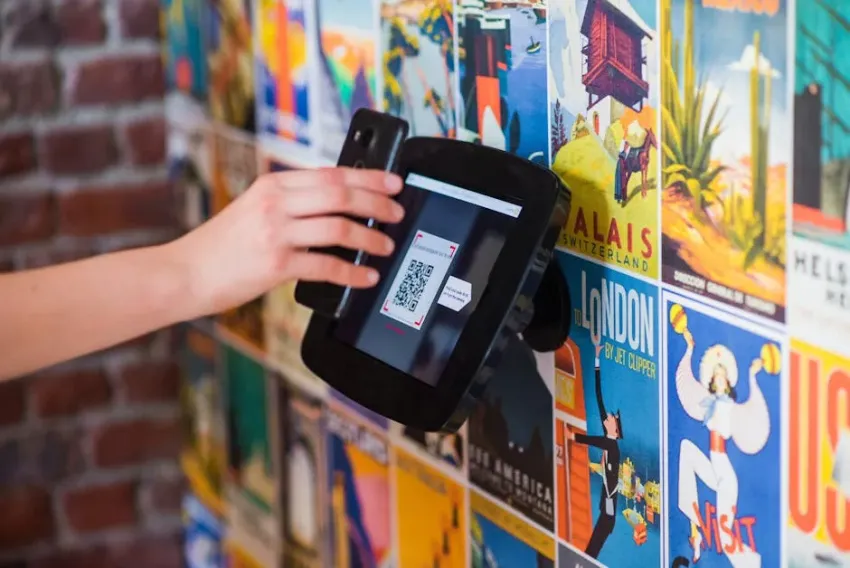
If you’re still thinking QR codes are just for restaurant menus, you’re missing the biggest transformation in CPG marketing since the barcode. While most brands were focusing on social media campaigns and TV ads, smart CPG companies were quietly turning every package into a direct marketing channel.
Here’s what they discovered: QR codes on packaging aren’t just about getting customers to a website—they’re about capturing the moment of maximum purchase intent, when customers are literally holding your product in their hands.
The result? Engagement rates 8x higher than social media, customer acquisition costs 90% lower than traditional channels, and retail partnerships that strengthen rather than threaten distribution relationships.
The QR Code Revolution in CPG
Why Now?
- 95% of smartphones have built-in QR readers
- 89% of consumers have scanned a QR code in the past year
- 73% say they’re more likely to purchase again if QR experience provides value
- Average scan time: under 3 seconds
The Traditional CPG Marketing Problem:
- Anonymous retail purchases with no customer relationship
- High media costs with uncertain attribution
- Retail-dependent communication and limited insights
- Inability to measure direct marketing impact
The QR Solution:
- Direct customer relationships without D2C competition
- Measurable engagement with clear attribution
- Retail-friendly value propositions
- Rich customer data and insights
The Value-First QR Strategy Framework
Successful CPG QR strategies follow a simple but powerful formula: Immediate Value → Data Exchange → Ongoing Relationship
Step 1: The Scan Trigger Clear, compelling reasons to scan:
- “Scan for exclusive recipes”
- “Get 10% off your next purchase”
- “Discover serving suggestions”
- “Join our loyalty program”
Step 2: Instant Value Delivery No registration required:
- Immediate access to promised content
- Mobile-optimized experiences
- Fast load times (under 3 seconds)
- Clear next-step guidance
Step 3: Progressive Data Building Collect information gradually:
- Email for ongoing communication
- Preferences for personalization
- Purchase behavior tracking
- Loyalty program participation
Industry-Specific QR Strategies
Food & Beverage:
- Recipe collections and pairing suggestions
- Cooking tutorials and how-to videos
- Limited-time promotions and discounts
- Local store availability and offers
Personal Care & Beauty:
- How-to guides and application tips
- Personalized product recommendations
- Skincare routine builders
- Virtual try-on experiences
Household Products:
- Usage tips and efficiency guides
- Safety information and tutorials
- Subscription options for automatic replenishment
- Eco-friendly disposal information
Case Study: How a Global Snack Brand Achieved 45% Scan Rate
The Challenge: A major snack brand wanted to increase customer engagement but couldn’t compete with retail partners.
The QR Strategy:
- QR codes on 50 million packages with “Scan for Game Day Recipes”
- Mobile-optimized recipe collections featuring their products
- Location-based store offers for game day purchases
- Social sharing features for recipe collections
The Results:
- 45% scan rate on featured products
- 68% return visitors for additional recipes
- 32% increase in repeat purchases
- $0.41 cost per acquired customer vs $4.20 industry average
Designing QR Codes for Packaging Success
Visual Design Best Practices:
- High contrast for reliable scanning
- Brand colors while maintaining scannability
- Clear call-to-action in immediate vicinity
- Size appropriate for scanning distance (minimum 1” x 1”)
Strategic Placement:
- Front-of-package for impulse scanning
- Back-of-package for detailed information access
- Cap or seal for “after purchase” engagement
- Multipacks for cross-product promotion
Context Considerations:
- In-store: Quick access, mobile-optimized
- At-home: Rich content, detailed information
- On-the-go: Fast loading, actionable content
- Gifting: Special messaging and experiences
The Technology Stack for QR Success
Essential Components:
- Dynamic QR Platform: Change destinations without reprinting
- Analytics Engine: Track scans by product, location, time
- Content Management: Deliver personalized experiences
- Integration Layer: Connect to existing marketing systems
Advanced Features:
- Geolocation targeting for local relevance
- A/B testing for optimization
- Offline caching for poor connectivity
- Multi-language support for global brands
Common QR Implementation Mistakes
Mistake 1: Poor Mobile Experience Reality: 80% of QR scans happen on mobile phones. If your experience isn’t mobile-first, you’re frustrating 80% of your audience.
Mistake 2: No Clear Value Proposition Solution: Don’t just show your website. Provide immediate, compelling value that justifies the scan effort.
Mistake 3: Slow Loading Times Best Practice: Optimize for under 3-second load times. Every additional second loses 30% of scanners.
Mistake 4: One-Size-Fits-All Content Strategy: Customize experiences by product category, customer segment, and usage context.
Measuring QR Campaign Success
Key Metrics:
- Scan rate by product and placement
- Conversion to customer profile
- Repeat engagement frequency
- Impact on purchase behavior
Attribution Models:
- First-touch: Initial scan attribution
- Multi-touch: Engagement journey tracking
- Incremental lift: Comparison to control groups
- Lifetime value: Long-term customer impact
The Retail Partnership Advantage
Smart QR strategies strengthen retail relationships:
- Drive retail traffic through in-store redemption
- Increase category sales through education
- Provide shared insights on customer behavior
- Support retail promotions and merchandising
Successful Partnership Models:
- Retail-exclusive content and offers
- Co-branded loyalty programs
- Shared customer insights (with consent)
- Integrated promotion calendars
The Future of QR in CPG
Emerging Capabilities:
- Augmented reality experiences from QR codes
- Dynamic content based on time and location
- Voice-activated QR interactions
- Blockchain-based product authentication
Integration Opportunities:
- Connected kitchen appliances
- Smart shopping lists and meal planning
- Automated reorder and subscription services
- Sustainable packaging and recycling information
Implementation Roadmap: 90-Day Launch Plan
Month 1: Strategy and Design
- Product selection and prioritization
- Value proposition development
- QR design and placement planning
- Technology platform selection
Month 2: Pilot Launch
- Limited product rollout with QR codes
- Customer experience optimization
- Retail partner communication
- Initial data collection and analysis
Month 3: Scale and Optimize
- Portfolio-wide expansion
- Campaign optimization based on results
- Retail partnership expansion
- ROI analysis and planning
The Bottom Line
QR codes on packaging represent the biggest opportunity for CPG brands to build direct customer relationships in a retail-dependent world. They offer the perfect balance of immediate customer value, retail partnership strength, and brand data collection.
The brands that master QR engagement won’t just see higher marketing ROI—they’ll build customer relationships that transcend retail channels and create competitive advantages that last for decades.
Every package is a marketing channel. Every scan is a customer relationship. Every interaction is an opportunity to build loyalty that retail disruptions can’t break.
CPG Strategy Series:
- How CPG Brands Build First-Party Data Without D2C Websites
- Gamified Loyalty for CPG: Scratch Cards, Collections, and Wheels
- Why CPG Brands Are Abandoning App Development for Wallet Passes
- From AR Mini-Games to Real Rewards: Beauty’s New Packaging Reality
About Caramel
Caramel helps CPG brands transform product packaging into customer engagement channels. Learn how our QR platform can turn every package into a direct customer relationship.
Get in Touch
Have questions about implementing these strategies? Let's discuss how Caramel can help your business.
Related Blogs
See All Blog
Caramel vs Mailmodo: When AMP Emails Are Not Enough for a Real B2C CRM
Mailmodo earned a real place in the email marketing market by doing one thing well: making emails interactive. Forms, polls, quizzes, calend

Personalisation at Scale: How AI Delivers 1-to-1 Marketing Without 1-to-1 Human Effort
Personalisation is the word the marketing industry has used for fifteen years to describe everything from inserting a first name into an ema
Compliance by Design: KYC, AML and Cross-Border Rules Handled by Your AI Agent
International buyers generate compliance obligations that domestic buyers do not. This is not a regulatory inconvenience — it is a structura
Stop Paying Commissions. Start Building Relationships.
Join forward-thinking businesses reclaiming their customer data from third-party platforms. Build direct connections, increase loyalty, and keep 100% of your revenue.