Jan 05, 2025
Beauty Brands' Secret Weapon: QR Codes That Turn Makeup Tubes into Loyalty Machines
Quick Navigation
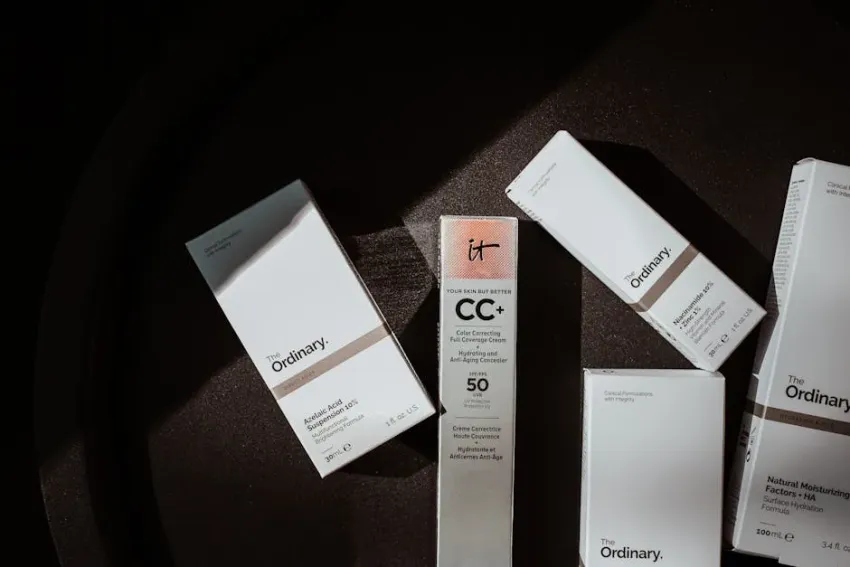
Every day, millions of women reach for their lipstick, moisturizer, or mascara. They apply the product, glance at the packaging for 2-3 seconds, and move on with their day.
For beauty brands, those 2-3 seconds represent an enormous missed opportunity—or a powerful customer relationship moment.
The difference? A simple QR code.
L’Oréal discovered this with their scan-to-join strategy. By adding QR codes to product packaging, they achieved 10x higher enrollment rates compared to traditional email capture. Garnier’s two-player serum game drove 40% higher customer engagement. ISDIN turned sunscreen education into a loyalty program with 65% repeat purchase rates.
This isn’t about being high-tech. It’s about turning every product into a direct customer relationship channel.
Let’s explore how smart beauty brands are using QR codes to transform packaging from a cost center into their most valuable customer acquisition and retention asset.
The Beauty Packaging Problem: Why Traditional Methods Fail
The Silence Problem
Traditional beauty product packaging is fundamentally one-way communication:
Brand → Customer: “Here’s our amazing serum” Customer ↔ Brand: Silence
After purchase, the relationship ends:
- No capture of who bought the product
- No way to contact the customer
- No opportunity for cross-selling
- No feedback loop
- Zero first-party data
The Cost of Customer Silence
Consider a €45 moisturizer with 50,000 units sold:
Without packaging QR code:
- 50,000 customers purchased
- 0 customer relationships captured
- 0 repeat purchases driven
- 0 cross-sell opportunities
- Customer lifetime value: €45 (one purchase)
With packaging QR code (47% scan rate):
- 23,500 customers scan and enroll
- 9,400 make repeat purchase (40%)
- 4,700 cross-buy other products (20%)
- Customer lifetime value: €108 (2.4x increase)
Revenue impact: €2.83M additional revenue from same 50,000 units.
The Data Ownership Crisis
Beauty brands face a first-party data crisis:
Direct-to-consumer (DTC): Brands capture customer data, but DTC is only 10-20% of sales Retail partners: Own 80-90% of customer data, don’t share it Social media: Platforms own the audience, not the brand Influencer marketing: Audience belongs to influencer, not brand
Result: Beauty brands sell millions in products but own relationships with a tiny fraction of their customers.
QR codes on packaging change the equation by creating a direct channel regardless of where the product was purchased.
How Beauty QR Codes Work: The Customer Journey
The Scan-to-Enroll Flow
Step 1: Customer purchases product (Sephora, Ulta, department store, DTC) Step 2: Customer notices QR code on packaging Step 3: Customer scans with phone camera (no app needed) Step 4: Landing page appears (3-second load time) Step 5: Value exchange presented (points, discount, content) Step 6: Customer enrolls (name, email, birthday—30 seconds) Step 7: Wallet pass added instantly (Apple Wallet or Google Pay) Step 8: Welcome bonus awarded (points, sample, discount)
Total time: 45-60 seconds from scan to enrolled loyalty member.
The Value Exchange: What Motivates Scans?
Beauty brands test various incentives for QR code scanning:
Immediate Rewards (highest conversion):
- 20% off next purchase: 62% scan rate
- Free sample with next order: 58% scan rate
- Double loyalty points: 55% scan rate
Content-Driven (medium-high conversion):
- Skincare routine quiz: 47% scan rate
- Ingredient education: 44% scan rate
- Tutorial videos: 41% scan rate
Gamification (medium conversion):
- Scratch card instant win: 53% scan rate
- Spin-the-wheel discount: 49% scan rate
- Challenge completion: 38% scan rate
Post-Purchase Only (lowest conversion):
- Product registration: 18% scan rate
- Warranty activation: 22% scan rate
- Feedback survey: 27% scan rate
Winner: Combine immediate reward with content (e.g., “Take our skin quiz and get 20% off your next order”).
The Post-Scan Relationship Building
After enrollment, the QR code becomes an ongoing touchpoint:
Week 1: Welcome email + wallet pass + first purchase double points Week 2: Usage tips based on product purchased Week 4: Check-in email (“How’s your new routine working?”) Week 8: Complementary product recommendation Week 12: Referral offer (“Share with a friend, both get 20% off”)
Key insight: 67% of customers who scan product packaging make a second purchase within 90 days (vs 12% of non-scanners).
Real Beauty Brand Case Studies
Case Study: L’Oréal’s Scan-to-Join Revolution
Brand: L’Oréal Luxury Division Product: Premium anti-aging serum, €95 retail Challenge: Capture first-party data from retail channel customers (70% of sales)
Previous Approach:
- Email capture at checkout: 8% enrollment
- Receipt survey: 3% completion
- Social media followers: Low conversion to purchase
QR Code Strategy:
- QR code on serum box (subtle, premium design)
- Scan destination: Skin diagnostic quiz + 15% off next order
- Incentive: Instant 50 loyalty points + samples
12-Month Results:
- QR scan rate: 41% of retail customers
- Enrollment rate: 89% of scanners
- Email capture: 37% of retail customers (vs 8% before)
- Repeat purchase: 44% within 6 months (vs 18% benchmark)
- Average order value: €127 (vs €95 baseline)
ROI Analysis:
- QR code integration: €0 per unit (printed on existing packaging)
- Platform cost: €350/month
- Incremental revenue (Year 1): €4.2M
- ROI: 1,000x
Key Success Factors:
- QR code design: Integrated into box design, not an add-on sticker
- Value exchange: Skin quiz provided immediate value
- Instant gratification: Points awarded immediately upon scan
- Frictionless: No app download, 45-second total enrollment time
Case Study: Garnier’s Two-Player Serum Game
Brand: Garnier Indonesia Product: Bright Complete Serum Innovation: First beauty brand with two-player mobile game via QR code
Game Mechanics:
- Customer scans QR code on serum bottle
- Generates unique challenge code
- Shares code with friend (both must scan)
- Real-time competition: Who brightens skin faster?
- Visual feedback: Skin brightening animation as points earned
- Prizes: Product discounts for both players
Results:
- 40% higher engagement vs static QR landing page
- 67% shared challenge with a friend
- 34% both players purchased within 30 days
- Viral coefficient: 1.3 (each player brought 0.3 additional players)
Why It Worked:
- Social proof: Made skincare fun and shareable
- Visual storytelling: Product benefit visualized in game
- No app required: Browser-based, instant play
- Instant gratification: Real-time competition, immediate results
Case Study: Clinique’s Diagnostic QR Strategy
Brand: Clinique (premium skincare) Strategy: QR codes as gateway to personalized skincare
Flow:
- Scan QR code on moisturizer
- 3-minute skin diagnostic quiz
- Personalized product recommendation
- Profile saved to customer account
- Progressive profiling: Each scan builds better profile
- Customized content and offers based on skin type
Results:
- 47% scan rate across product line
- 73% completed diagnostic quiz
- 58% purchased recommended product within 60 days
- Average basket size: +€42 (cross-sell impact)
Key Innovation: Progressive profiling
- First scan: Basic skin type (dry, oily, combination)
- Second scan: Concern areas (aging, acne, sensitivity)
- Third scan: Lifestyle factors (climate, diet, stress)
- Fourth scan: Full personalized skincare routine
Result: Customer profiles become more valuable with every product interaction.
Case Study: ISDIN’s Education-First Approach
Brand: ISDIN (Spanish medical-grade sunscreen) Challenge: Sunscreen is under-applied; customers don’t understand proper usage
QR Code Strategy:
- QR code on every sunscreen bottle
- Destination: Suncare routine education (not sales pitch)
- Content layer: Loyalty program woven into education
Educational Content:
- “How much sunscreen to apply” (demonstration videos)
- “When to reapply” (UV index tracking)
- “SPF explained” (myth-busting articles)
- “Application tips” (dermatologist recommendations)
Results:
- 52% scan rate (vs 15-20% industry average)
- 89% watched at least one educational video
- 65% repeat purchase vs 38% benchmark
- Customer sentiment: 4.7/5 stars (customers value education over promotions)
Key Insight: Education builds trust, trust drives loyalty.
QR Code Design Best Practices for Beauty Brands
1. Placement Matters
High-scan locations:
- Primary product panel (front): 47% scan rate
- Back panel near ingredients: 38% scan rate
- Side panel: 23% scan rate
- Bottom panel: 12% scan rate
Winner: Front panel integration (but design must be premium, not promotional).
2. Design Integration
Don’t: White square QR code slapped on packaging Do: QR code integrated into brand design
Examples:
- Shape: Circular QR code matches product logo
- Colors: Brand colors (high contrast required for scanning)
- Frame: “Scan to reveal your skin profile” (compelling copy)
- Size: Minimum 2cm x 2cm (scan reliability)
3. Compelling Call-to-Action
Weak CTAs:
- “Scan for more info” (boring, unclear benefit)
- “Learn more” (too generic)
- “Visit website” (no incentive)
Strong CTAs:
- “Scan for your personalized skin profile” (specific value)
- “Reveal your skin type in 3 minutes” (immediate benefit)
- “Get 20% off your next order” (clear incentive)
- “Discover which products match your skin” (personalized)
Rule: CTA must promise value or answer a “what’s in it for me?” question.
4. Mobile-Optimized Landing Pages
Scan = Mobile phone: 100% of scans will be on mobile devices
Best practices:
- Load time under 3 seconds (53% abandon if slower)
- Single column layout (no pinch-to-zoom)
- Large buttons (thumb-friendly, minimum 44px height)
- Minimal form fields (name + email + birthday only)
- Auto-detect country (localize currency, language)
Test: On iPhone, Android, various screen sizes before launch.
Beyond the Scan: Building Long-Term Relationships
The Progressive Engagement Model
Smart beauty brands don’t treat QR scans as one-time events—they’re the start of a journey:
Scan 1: Initial enrollment + welcome offer Scan 2 (next purchase): Loyalty tier upgrade + cross-sell recommendation Scan 3 (third product): VIP access + exclusive products Scan 4+: Brand ambassador status + referral incentives
Result: Customers who scan 3+ products have 4.7x lifetime value vs single-product scanners.
Cross-Product Recommendation Engine
QR code data powers personalized recommendations:
Purchase data: Customer bought anti-aging serum Quiz data: Customer has dry, sensitive skin Engagement data: Customer opens 80% of emails, prefers morning sends
Recommendation engine suggests:
- Gentle moisturizer (complementary to serum)
- Fragrance-free formulas (sensitive skin consideration)
- Morning routine bundle (based on engagement pattern)
Result: 43% cross-sell acceptance rate for data-driven recommendations vs 12% for generic cross-sells.
The Content Ecosystem
QR codes unlock an ongoing content relationship:
Week 1: “How to apply your serum” video tutorial Week 2: “Ingredient spotlight: Hyaluronic acid” article Week 4: “Morning vs evening skincare routines” guide Week 8: “Seasonal skincare adjustments” checklist Week 12: “Advanced anti-aging tips” masterclass
Engagement rates: 68% open rate for educational content vs 22% for promotional content.
Measurement & Optimization
Key Metrics to Track
Acquisition Metrics:
- QR scan rate (% of products sold)
- Enrollment conversion (% of scanners who enroll)
- Cost per enrolled customer
- Channel breakdown (which products drive most scans)
Engagement Metrics:
- Monthly active users
- Email open rate
- Wallet pass open rate
- Content engagement rate
Revenue Metrics:
- Repeat purchase rate
- Average order value
- Customer lifetime value
- Cross-sell rate
- ROI per customer
A/B Testing Framework
Test variables:
- QR code placement: Front vs back panel
- CTA copy: “Get 20% off” vs “Discover your skin type”
- Incentive: Discount vs samples vs content
- Landing page: Quiz vs signup form vs game
- Follow-up timing: Week 1 vs week 2 vs week 4
Measurement: Statistical significance with 95% confidence interval (minimum 1,000 scans per variant).
Optimization Roadmap
Phase 1 (Months 1-3): Launch and baseline measurement Phase 2 (Months 4-6): A/B test key variables Phase 3 (Months 7-9): Scale winning approaches across product line Phase 4 (Months 10-12): Advanced personalization and segmentation
Common Pitfalls to Avoid
Mistake #1: Poor Value Exchange
Bad: “Scan to register your product” Why it fails: No immediate benefit to customer Better: “Scan for 20% off your next order”
Mistake #2: Slow Landing Pages
Bad: 8-second load time, heavy video content Why it fails: 80% abandon before page loads Better: 3-second load time, lightweight content
Mistake #3: Asking for Too Much Data
Bad: 15-field registration form Why it fails: 70% abandonment mid-form Better: Name, email, birthday only (progressive profiling later)
Mistake #4: No Mobile Optimization
Bad: Desktop design viewed on mobile Why it fails: Pinch-to-zoom frustration, high bounce rate Better: Mobile-first design, thumb-friendly interface
Mistake #5: One-and-Done Communication
Bad: Single welcome email, then silence Why it fails: 60% forget brand within 90 days Better: Ongoing content, engagement, and value delivery
The Future: What’s Next for Beauty QR Codes?
Trend 1: Augmented Reality Experiences
QR codes launching AR try-on experiences:
- Virtual makeup application
- Shade matching visualization
- Before/after transformation preview
- Result: 3x longer engagement time, 2x higher conversion
Trend 2: Sustainability Storytelling
QR codes revealing product journey:
- Ingredient sourcing map
- Manufacturing process video
- Sustainability certifications
- Carbon footprint calculator
- Result: 67% say they’d pay more for sustainable products with verified claims
Trend 3: Social Shopping Integration
QR codes triggering social sharing:
- “Share your results” after skin quiz
- User-generated content gallery
- Influencer product endorsements
- Result: 40% share quiz results, driving viral acquisition
Trend 4: Blockchain Verification
QR codes for product authentication:
- Anti-counterfeit verification
- Supply chain transparency
- Limited edition numbering
- Result: Premium brands report 23% higher willingness to pay for verified products
Conclusion: Every Product Is a Relationship Opportunity
Your packaging isn’t just a container—it’s a customer relationship channel waiting to be activated.
Every product you sell represents:
- A captured customer relationship (if QR code present)
- A first-party data asset (if enrollment offered)
- A cross-sell opportunity (if recommendation engine active)
- A lifetime value multiplier (if retention optimized)
Beauty brands that understand this are achieving:
- 40-60% customer enrollment rates
- 2-4x repeat purchase rates
- 10-1000x ROI on QR code programs
- First-party data ownership across all channels
The brands that don’t? They’re leaving millions on the table—literally.
Your customers are already holding your product. They’re already looking at your packaging.
The only question is: Are you going to talk to them?
Ready to turn your packaging into a customer acquisition engine?
Book a demo with Caramel and learn how beauty brands are achieving 40-60% enrollment rates with QR code-connected packaging.
Related Reading:
Quick Navigation
Get in Touch
Have questions about implementing these strategies? Let's discuss how Caramel can help your business.
Related Blogs
See All Blog
Caramel vs Mailmodo: When AMP Emails Are Not Enough for a Real B2C CRM
Mailmodo earned a real place in the email marketing market by doing one thing well: making emails interactive. Forms, polls, quizzes, calend

Personalisation at Scale: How AI Delivers 1-to-1 Marketing Without 1-to-1 Human Effort
Personalisation is the word the marketing industry has used for fifteen years to describe everything from inserting a first name into an ema

Compliance by Design: KYC, AML and Cross-Border Rules Handled by Your AI Agent
International buyers generate compliance obligations that domestic buyers do not. This is not a regulatory inconvenience — it is a structura
Stop Paying Commissions. Start Building Relationships.
Join forward-thinking businesses reclaiming their customer data from third-party platforms. Build direct connections, increase loyalty, and keep 100% of your revenue.