Oct 21, 2025
Hotel F&B Cross-Sell: How to Drive Restaurant and Bar Revenue from Existing Guests
Quick Navigation
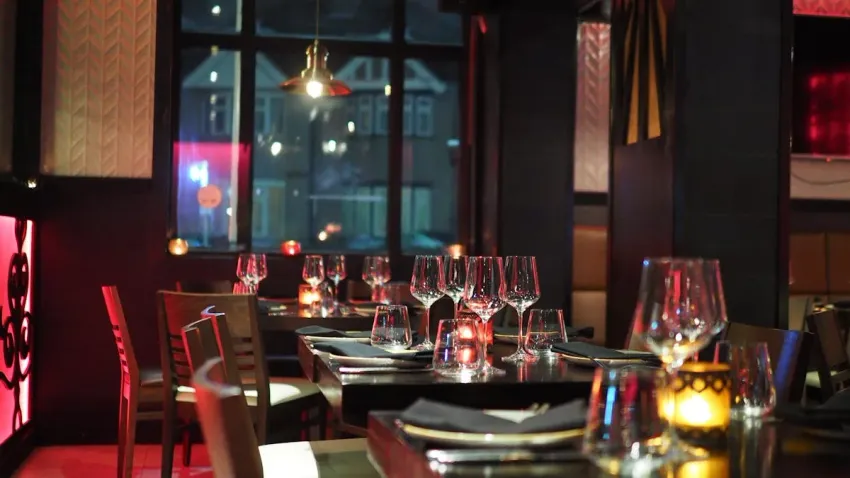
A hotel with 120 rooms at 75% occupancy has 90 guests in-house on any given night. The hotel’s restaurant has 60 covers. In theory, the in-house guests represent a captive dining audience — physically present, without a car, often unfamiliar with the local area, and predisposed to the convenience of dining on-site.
In practice, most hotels capture 20–35% of in-house guests for dinner at their restaurant. The remaining 65–80% either eat elsewhere, order delivery, or skip dinner in their rooms. Not because the restaurant is bad — because nobody asked them in time.
The problem is communication timing. A guest who returns to their room at 6pm to decide whether to have dinner at the hotel restaurant has already made a parallel decision — they are checking their phones, searching for nearby restaurants, or ordering delivery. By 7pm, the decision is made. A restaurant promotion email sent at 5pm to 90 guests, read by 20–25 of them over the next few hours, captures a fraction of the opportunity.
A WhatsApp message sent at 4:30pm — when guests are wrapping up their day and have 90 minutes before a natural dinner window — reaches them at the decision-making moment with a high read rate and a direct reservation link.
The In-Stay F&B Communication Sequence
Arrival day — Restaurant introduction (WhatsApp, sent at 5pm):
“Welcome to [Hotel], [Name]! Our [Restaurant Name] is open this evening from [time]. Tonight’s menu features [headline dish or chef’s special]. Reserve your table now: [booking link]. Or just walk in — we’ll do our best to accommodate you.”
The “walk in” option is important — it removes the friction for guests who find reservations too formal for a casual dinner decision. The headline dish creates specific appetite interest rather than a generic “restaurant is open” announcement.
Day 2 — Bar and lounge (WhatsApp, sent at 6pm if no restaurant booking made):
“[Name], if you haven’t had a chance to visit our [Bar Name], this is a great evening for it — [weather-based reason if relevant, or ‘the terrace is open’, ‘live music tonight’]. Happy hour runs until 8pm: [cocktail list or menu link].”
The bar message is more casual than the restaurant message — it is a lower-commitment touchpoint that keeps the hotel’s F&B offer visible without requiring a reservation decision.
Special occasion recognition (WhatsApp, sent day before special date if noted at booking):
“[Name], we know tomorrow is [occasion]. Our team has prepared something special — and we’d love to help you celebrate at [Restaurant Name]. We have a few tables remaining for tomorrow evening: [booking link].”
Special occasion messaging for birthdays, anniversaries, and honeymoons converts at the highest rate of any F&B upsell. The guest has already indicated the occasion at booking — the hotel’s acknowledgement before the date feels attentive rather than intrusive.
In-house guest dining capture rate by F&B communication approach:
| Communication approach | In-house guest dining capture | Revenue per room per night |
|---|---|---|
| No proactive F&B promotion | 20–30% | €18–27 |
| Email to all in-house guests (5pm) | 24–35% | €22–32 |
| WhatsApp to opted-in guests (4:30pm) | 34–48% | €31–43 |
| WhatsApp + personalised (occasion/profile) | 40–55% | €36–50 |
For a 90-room occupancy, moving from 25% to 45% in-house dining capture (from no promotion to WhatsApp + personalised) generates approximately €810–€1,170 in additional restaurant revenue per night — or €295,000–€427,000 per year from a single property. This assumes an average restaurant spend of €45 per cover.
Breakfast Upsell for Room-Only Bookings
Guests on room-only rates who did not include breakfast at booking represent another F&B upsell opportunity — particularly addressable via WhatsApp on the evening before.
“[Name], a reminder that breakfast at [Hotel] is available from [time] tomorrow in [Restaurant Name] — [price] per person. It’s a popular start to the morning — reserve your spot or just come down: [booking link].”
This message, sent at 9pm the evening before, converts at 22–35% for room-only guests — adding €12–25 per guest in breakfast revenue that would not otherwise have been captured.
Managing F&B Communication Without Intrusiveness
In-stay WhatsApp communication has to balance commercial intent with the guest’s expectation of a relaxing stay. A guest who receives 4 promotional messages per day will feel solicited rather than served.
The guideline: no more than 2 F&B communications per stay per guest. The messages should feel like a warm concierge recommendation, not a sales sequence. The tone should always be “in case it’s useful” rather than “please spend money with us.”
Opt-out capability must be clearly communicated: “Reply STOP to stop receiving messages during your stay” — and the opt-out must be respected immediately. A guest who opts out during their stay is unlikely to rebook. A guest who found the communications useful is likely to reference them positively in a review.
For the pre-stay WhatsApp sequence that sets up F&B cross-sell context, see Pre-Stay WhatsApp Upsell: How Hotels Increase Revenue Per Guest Before Check-In. For the guest data platform that enables personalised in-stay communication, see Building a Guest Profile: First-Party Data Capture from Booking to Checkout.
Quick Navigation
Get in Touch
Have questions about implementing these strategies? Let's discuss how Caramel can help your business.
Related Blogs
See All Blog
Caramel vs Mailmodo: When AMP Emails Are Not Enough for a Real B2C CRM
Mailmodo earned a real place in the email marketing market by doing one thing well: making emails interactive. Forms, polls, quizzes, calend
Personalisation at Scale: How AI Delivers 1-to-1 Marketing Without 1-to-1 Human Effort
Personalisation is the word the marketing industry has used for fifteen years to describe everything from inserting a first name into an ema
Compliance by Design: KYC, AML and Cross-Border Rules Handled by Your AI Agent
International buyers generate compliance obligations that domestic buyers do not. This is not a regulatory inconvenience — it is a structura
Stop Paying Commissions. Start Building Relationships.
Join forward-thinking businesses reclaiming their customer data from third-party platforms. Build direct connections, increase loyalty, and keep 100% of your revenue.